
Switching to an electric vehicle should feel exciting — quieter drives, lower running costs, and fewer trips to the petrol station.
But for many first-time EV drivers, the stress doesn’t come from the car… it comes from the *decisions* around it.
After reviewing dozens of EVs and speaking to thousands of drivers, the same mistakes come up again and again.
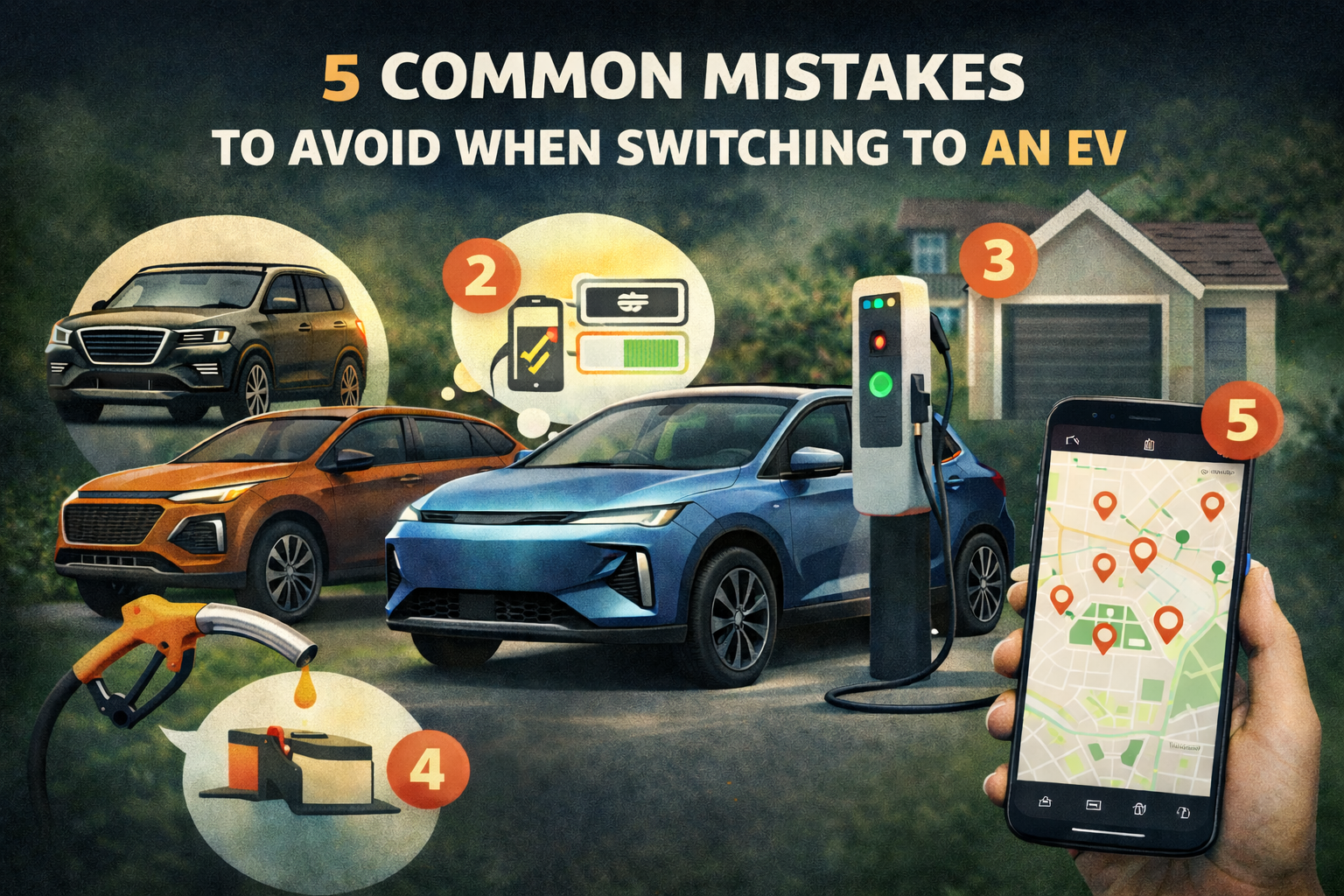
Here are five mistakes to avoid when switching to an EV— and how to make your EV life calmer from day one.
1: Buying Bigger Than You Actually Need
One of the most common EV mistakes is assuming *bigger is better*.
Many people jump straight into a large SUV or long-range model “just in case” — when in reality:
– Most UK car journeys are under 20 miles
– Bigger EVs cost more to buy, insure and charge
– Larger batteries take longer to charge and add unnecessary weight
Better approach: Choose an EV that fits how you actually live, not your once-a-year road trip.
Smaller and mid-size EVs are often:
– Cheaper
– More efficient
– Easier to charge at home and in public.
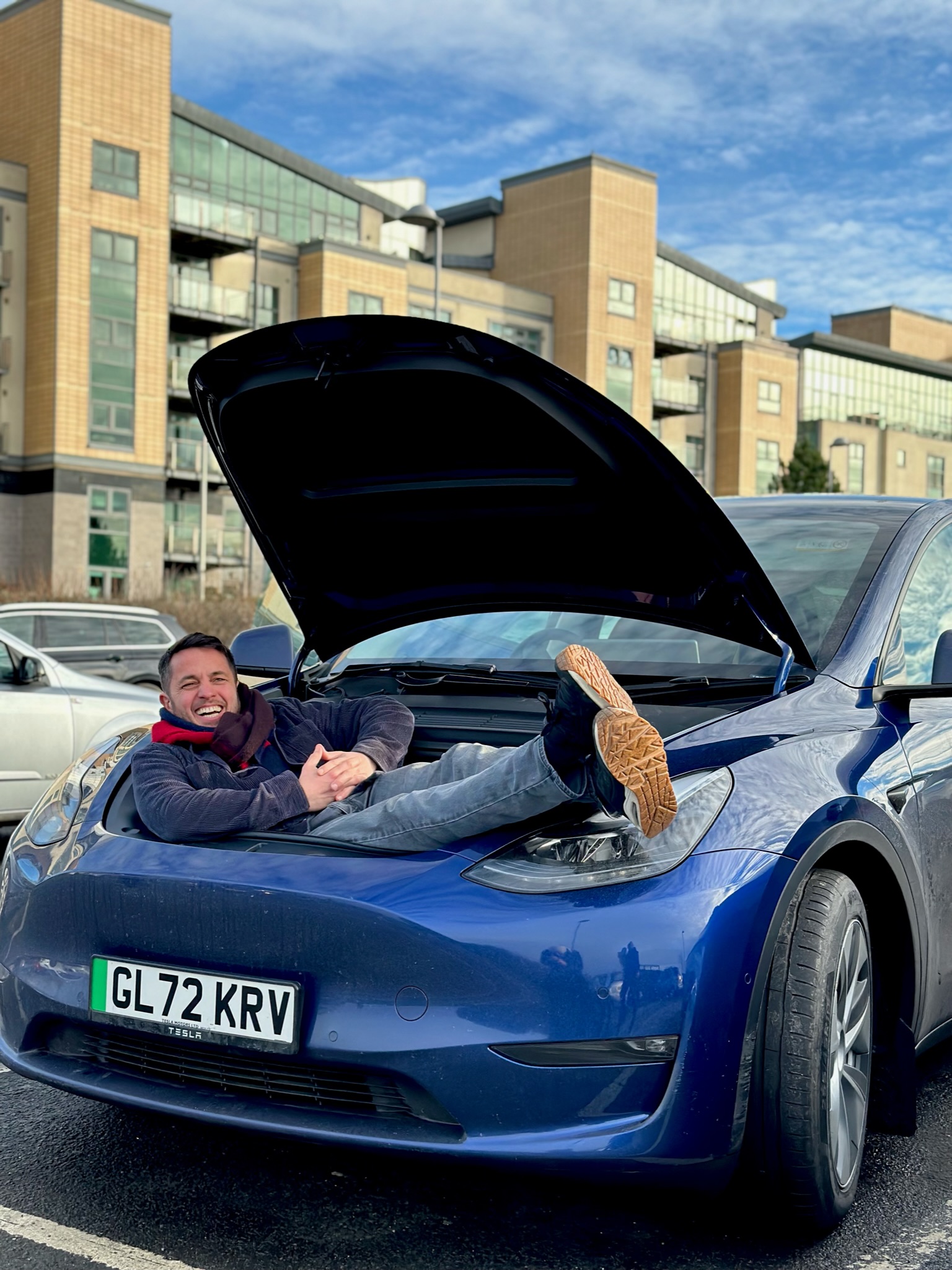
2: Obsessing Over Range Instead of How You Really Drive
Range anxiety is usually misplaced.
Many first-time buyers fixate on headline WLTP range figures instead of asking:
– How far do I drive on an average day?
– Can I charge at home or work?
– Do I road trip often, or occasionally?
If you drive 30–40 miles a day, even a modest-range EV will comfortably cover your needs with overnight charging.
The truth:
Range matters far less once charging becomes part of your routine..
3: Ignoring Home Charging Until It Becomes Urgent
This one catches people out all the time.
Buying the car first and then thinking about charging can lead to:
– Scrambling for charger installs
– Relying on expensive public chargers
– Stress in the first few weeks of ownership
Smart EV owners plan charging early.
That might mean:
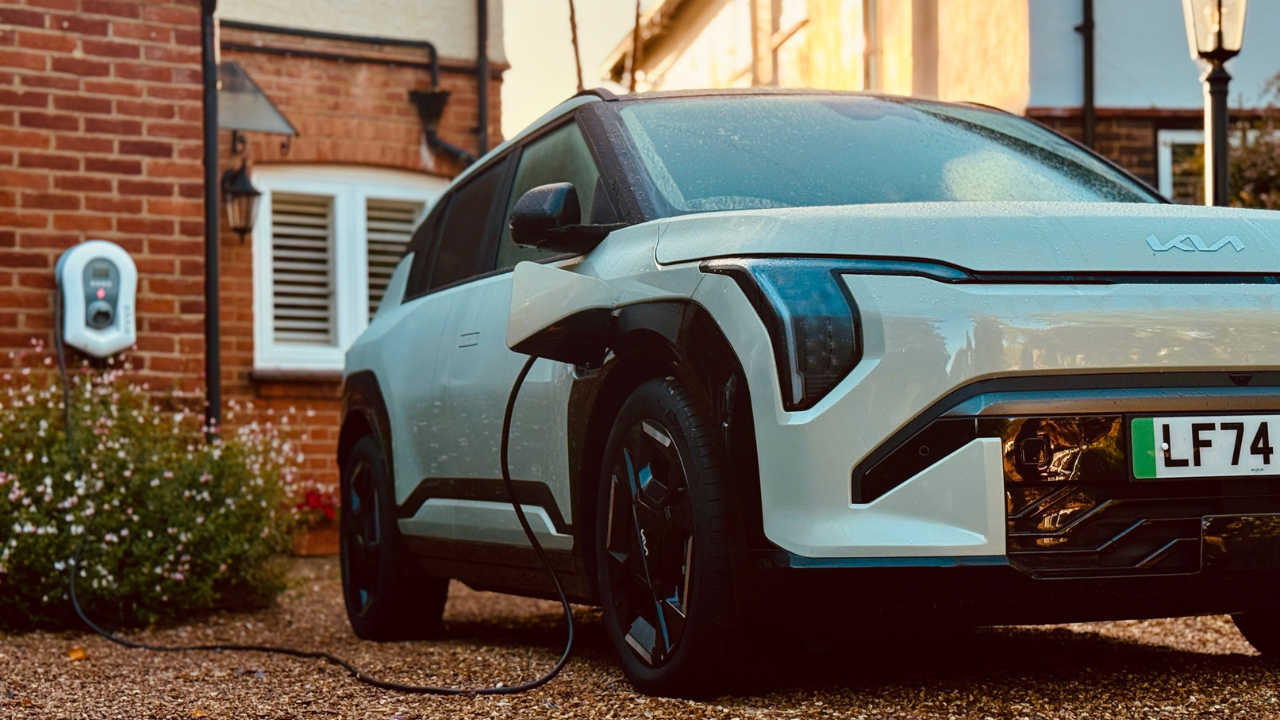
– Installing a home charger
– Understanding on-street charging options
– Choosing the right energy tariff
Home charging is what makes EV ownership cheaper and easier. Don’t leave it as an afterthought.
4: Treating EV Charging Like Petrol (It Isn’t)
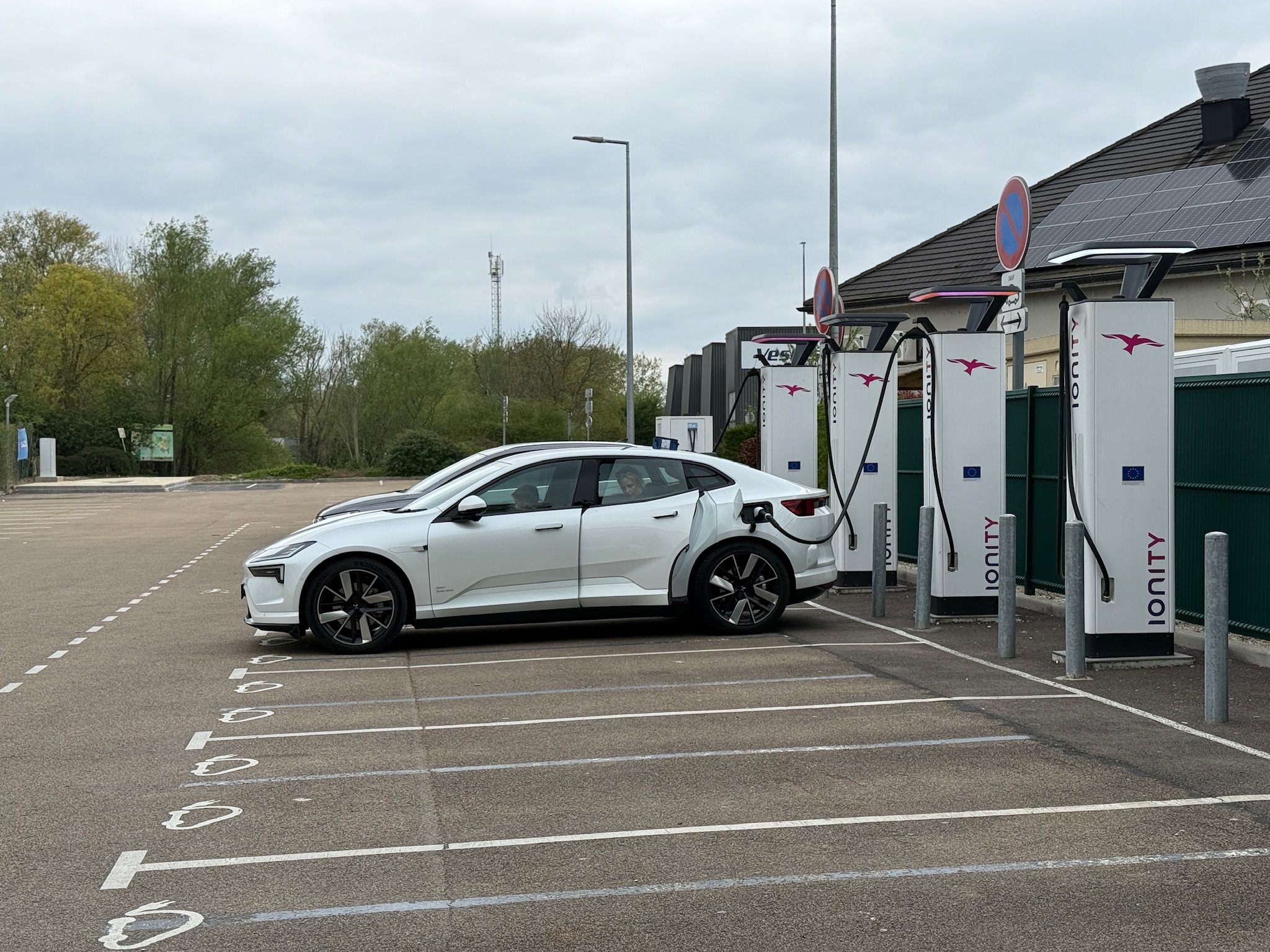
A petrol mindset causes unnecessary EV stress. With petrol, you: – Run low – Panic – Fill up in one go With EVs, the smartest approach is: – Top up little and often – Charge while you sleep, work or shop – Let the car fit around your life — not the other way round Once you stop treating charging as a single event and start seeing it as a background habit, EV ownership becomes genuinely relaxing.
5: Not Knowing Where Chargers Actually Are
This is the mistake that causes most of the panic.
Too many drivers:
– Assume chargers will “just be there”
– Don’t know which ones work reliably
– Waste time driving to broken or incompatible units
Knowing where chargers are — and which ones are worth using — makes all the difference.
Download the Zapmap app to:
– See chargers before you set off
– Filter by connector, speed and availability
– Read real driver updates, not marketing claims
The difference between relaxed EV life and mild panic is usually information.

The Bottom Line: EVs Are Easy If You’re Prepared
Most EV frustrations aren’t caused by the cars themselves. They’re caused by habits, assumptions, and missing information. Avoid these five mistakes and you’ll find that driving electric isn’t stressful at all — it’s quieter, cheaper, and far more convenient than many people expect.Frequently Asked Questions
Is switching to an EV difficult?
No. Most drivers find EVs easier to live with than petrol or diesel cars once charging becomes part of their routine.
Do I need a long-range EV?
Only if you regularly drive long distances without access to charging. Most people don’t.
Is home charging essential?
It’s not essential, but it makes EV ownership significantly cheaper and more convenient.
What’s the best way to avoid EV charging stress?
Plan ahead, understand your driving habits, and use reliable charging information.