
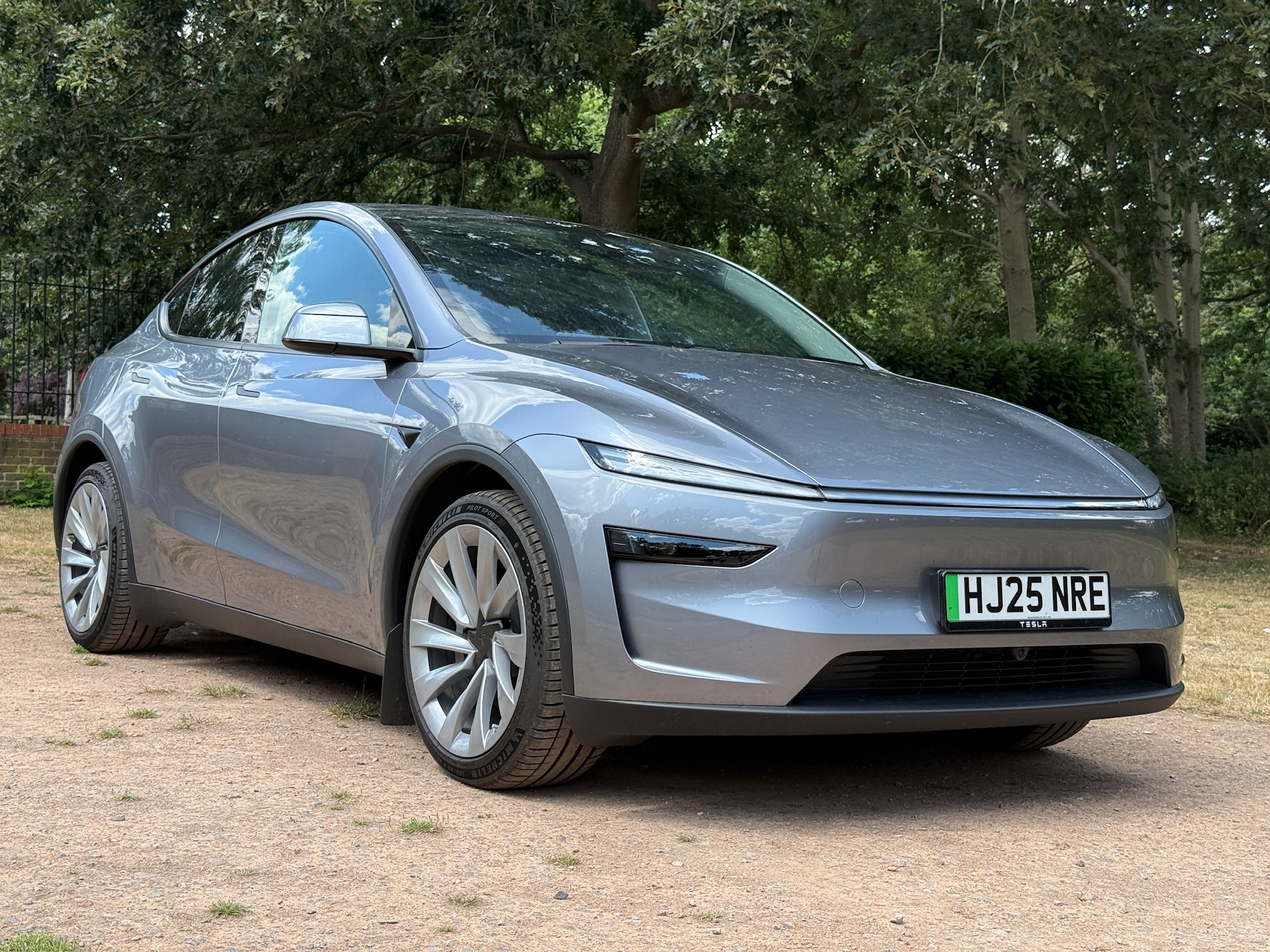
No jargon or waffle. Just the practical stuff that makes electric car ownership cheaper, easier, and enjoyable from day one.
In partnership with Sevadis and Select Car Leasing
Congratulations! You’ve just made one of the best decisions you can make for your wallet and the planet. But if you’re staring at your new EV wondering what on earth comes next, it’s not just you! Every new EV driver goes through it. The good news? It’s much simpler than you think. Here’s your cheat sheet.
What do I need to do before my EV arrives?
There are five things worth sorting before delivery day:
- Get a home charger installed early. It can take time – permissions, an electrician, lead times. Don’t leave it until delivery day.
- Switch to an EV-friendly energy tariff. Many energy companies offer off-peak rates specifically for EV drivers. Charging overnight on cheap electricity is where the real savings happen.
- Learn the public charging basics. Download Zap-Map before you need it. It shows over 40,000 charging locations and 80,000 charge points across the UK, including a filter for free chargers.
- Be realistic about winter range. Cold weather can reduce range by up to 30%. Not a crisis – just worth planning for. If your car has a heat pump, you’re in better shape.
- Prepare to enjoy driving. The instant torque, the low running costs, the quiet … it’s a genuinely different kind of driving. I know you’ll miss none of the petrol faff.
How much does it cost to charge an EV at home?
Charging at home is significantly cheaper than using the public network. On an off-peak tariff, electricity can cost as little as 7p per kWh. Here’s what that looks like in practice:
- Full charge on a 60 kWh battery: ~£4.20
- Full charge on an 80 kWh battery: ~£5.60
- Typical cost per mile: ~2–3p per mile
A 7 kW home charger will give most EVs a full charge in roughly 6 to 9 hours depending on battery size. Plug in before bed, wake up to a full car. For most families, that’s how it works every day.
Calculations based on 7p/kWh off-peak estimate. Actual costs vary by tariff, battery size, and driving conditions.
What if I don’t have a driveway?
No driveway, no problem! Apps like Co-Charger let you find a neighbour with a charger you can borrow or rent. Charging infrastructure is also expanding rapidly with lamp posts, supermarkets, gyms, golf clubs, and car parks all increasingly offering EV charging. It’s already more accessible than most people expect.
Which home EV charger should I get?
To get the most from cheap off-peak rates, you need a smart charger that lets you schedule when it charges. We partner with Sevadis – one of the UK’s leading home EV charging specialists, supplying and installing smart charge points since 2016.
Their MaxiCharger connects via Wi-Fi or Bluetooth, lets you set charging times through an app, and is IP54-rated for reliable outdoor installation. There’s a network of approved installers across the UK – enter your postcode at sevadis.com to find one near you.
What charging cables does my EV come with?
Your car will arrive with charging cables so check the boot, or the front boot (frunk) if it has one. Here’s what each one is for:
- Type 2 – for home chargers and destination charging (hotels, car parks). Your everyday cable.
- CCS (Combined Charging System) – for rapid public charging at motorways and service stations. Used for fast top-ups on longer journeys.
- Three-pin plug – standard household socket. Very slow. Some large-battery cars can take over 24 hours for a full charge this way. Use it for emergencies only.
How does public charging work?
First time at a public charger? Completely natural to feel a bit unsure. After two or three times, it becomes second nature. A few things worth knowing include:
- Don’t wait until you’re nearly empty. Your first public charge should be a relaxed practice run, not an emergency. Go when you have plenty of charge left.
- Payment is getting even simpler. New rules mean contactless payment is becoming standard. Most chargers now accept a tap of your card or phone. Some networks still have their own app, and QR codes and RFID cards also work.
- Charger speed is capped by your car. If your EV doesn’t support rapid charging, you won’t get rapid speeds even plugged into a rapid charger. Don’t pay for ultra-rapid unless you actually need it because it’s the most expensive option.
- Find free chargers on Zap-Map. There are over 2,500 free charge points across the UK. Many car parks, attractions, and even pubs now offer free EV charging. Filter for free-to-use in the app.
Public charging in numbers
- 40,000+ charging locations across the UK
- 80,000+ individual charge points
- 2,500+ free charge points
- Some rapid chargers can go from 10–80% in under 20 minutes. Yes, it’s true!
Does cold weather affect EV range?
Yes. Cold weather can reduce range by up to 30% in harsh conditions. The practical fix is pretty straightforward though:
- Plan ahead on longer winter journeys and check your range before setting off.
- Use your car’s app to pre-heat the cabin while it’s still plugged in. This uses grid electricity rather than battery power, so you set off warm without losing range.
- If your car has a heat pump, it will manage battery temperature more efficiently in the cold.
Do EVs cost less to maintain?
Generally, yes. EVs have fewer moving parts than petrol or diesel cars, which means less to go wrong and less routine servicing. They also have a significantly better MOT pass rate than petrol or diesel vehicles.
The one trade-off is that EVs can wear through tyres faster, particularly if you make use of the instant torque. It’s worth factoring tyre costs into your ownership budget, and a maintenance plan can help cover unexpected extras.
What’s it really like to drive an EV?
The instant torque is the thing nobody fully prepares you for. EVs accelerate surprisingly faster than most petrol and diesel cars off the line. It genuinely feels like driving something from the future.
Beyond that:
- Play with the regenerative braking modes to find what suits you. Some drivers love one-pedal driving whilst others prefer a lighter regen feel.
- Don’t be shy about comfort settings. Enjoy it! Pre-conditioning, seat heating, and climate control all work brilliantly when you’re still plugged in.
- EV owner forums can be incredibly useful. Ask questions, share wins, and troubleshoot together! The community is very welcoming and knowledgeable.
Quick reference: your EV ownership cheat sheet
- Home charging at ~7p/kWh costs roughly £4–6 for a full charge overnight
- A 7 kW home charger fully charges most EVs in 6–9 hours
- Get a smart charger (like a Sevadis MaxiCharger) to schedule off-peak charging automatically
- Download Zap-Map before your first public charging trip
- Use Type 2 for home/destination charging; CCS for rapid public top-ups
- Expect up to 30% range reduction in winter. Pre-heat on the plug to protect range
- EVs have a better MOT pass rate than petrol/diesel but watch tyre wear
- Over 2,500 free public charge points exist across the UK – use the Zap-Map free filter
Charging location and charge point figures from the Select Car Leasing EV guide. Home charging rate of 7p/kWh is an indicative off-peak estimate. Winter range reduction figure (up to 30%) from Select Car Leasing EV guide. Sevadis product and installer information from sevadis.com.